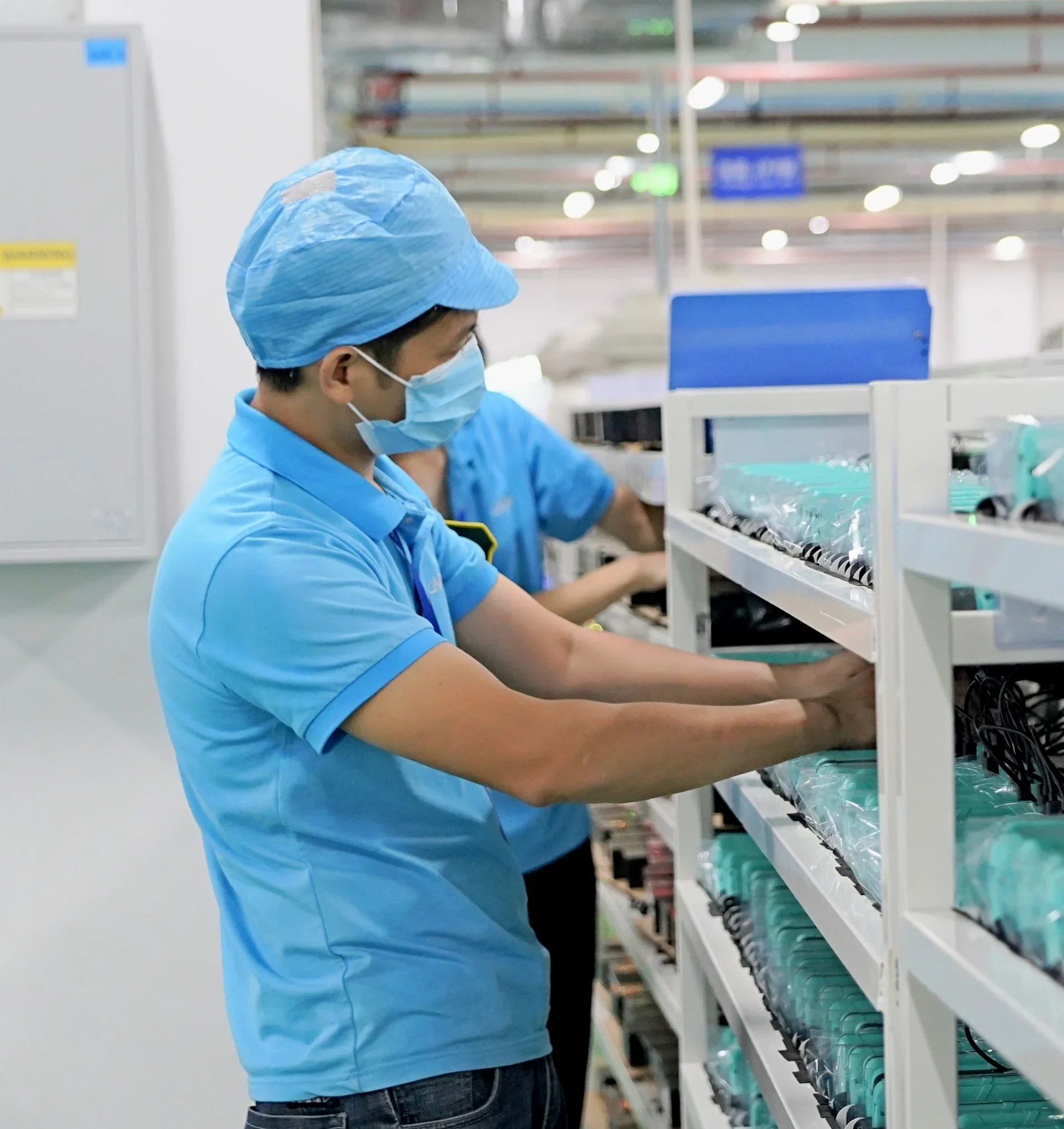
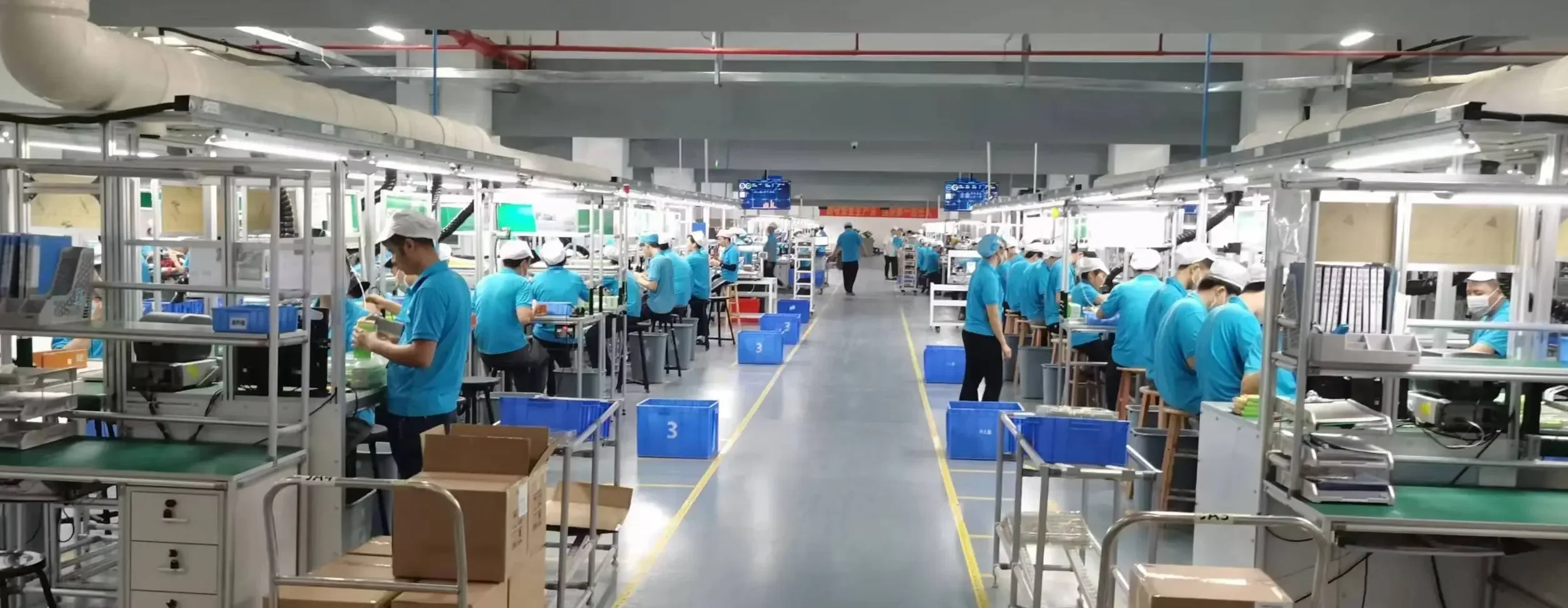
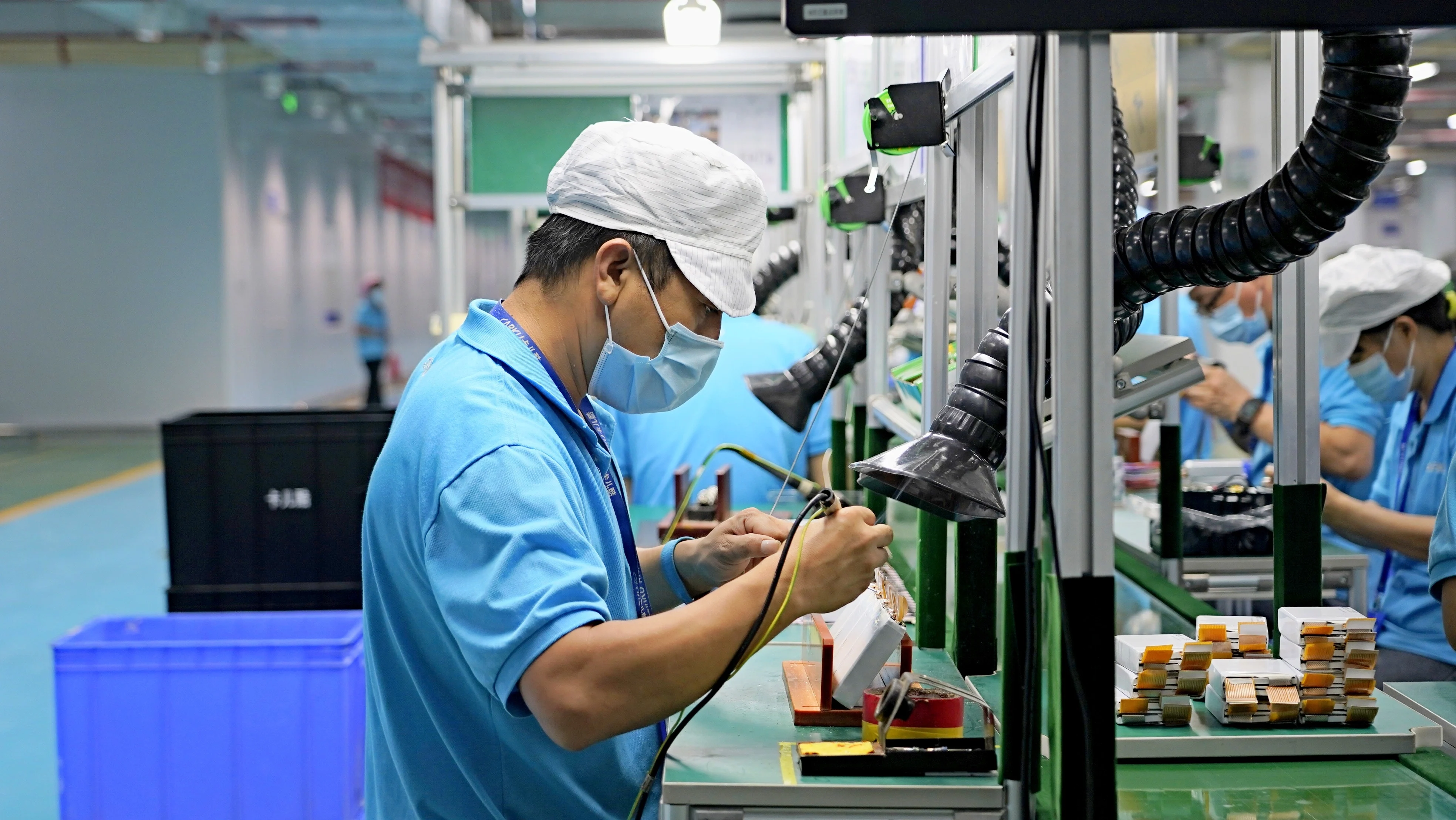
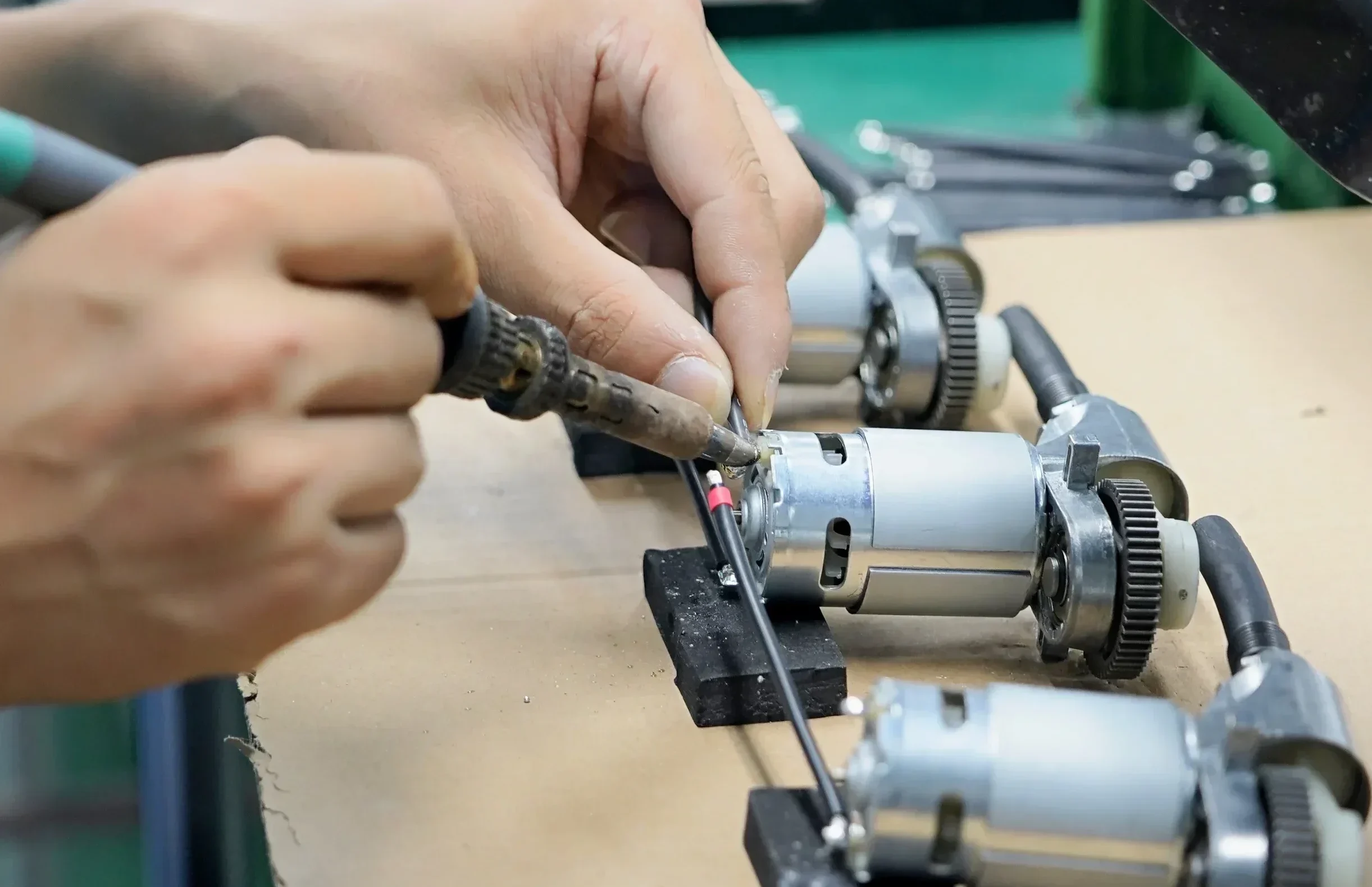
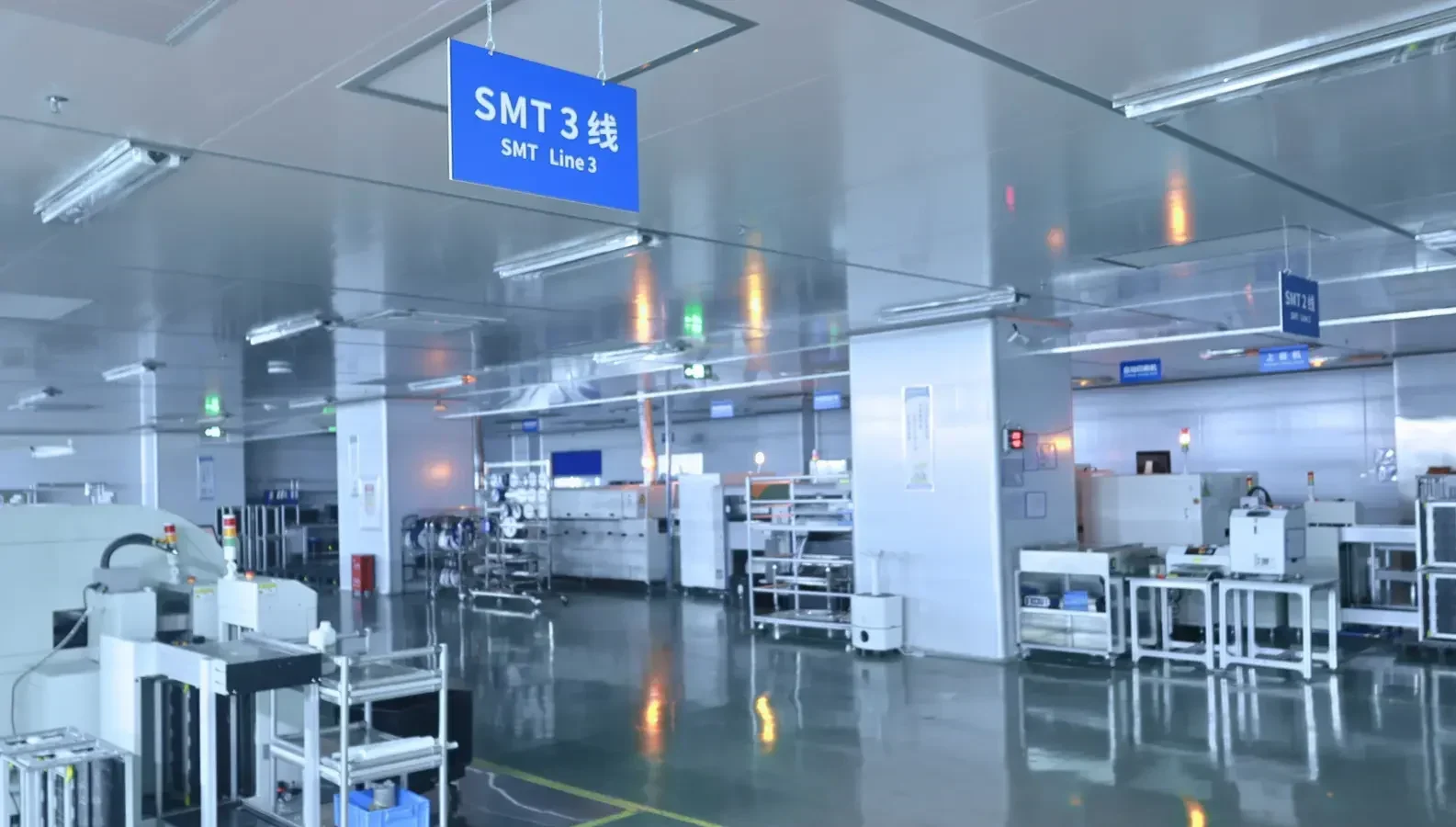
Established in 2011, YESPER is a vertically integrated manufacturer of lithium battery applications, combining in-house R&D, advanced production facilities, and global distribution.
With its own production facilities and a strong engineering team, YESPER maintains full control over quality, innovation, and supply — delivering reliable power solutions at scale.
Our products meet international standards, with certifications including ISO9001, IATF16949, BSCI, UL, CE, FCC, and more — ensuring performance you can trust in every situation.
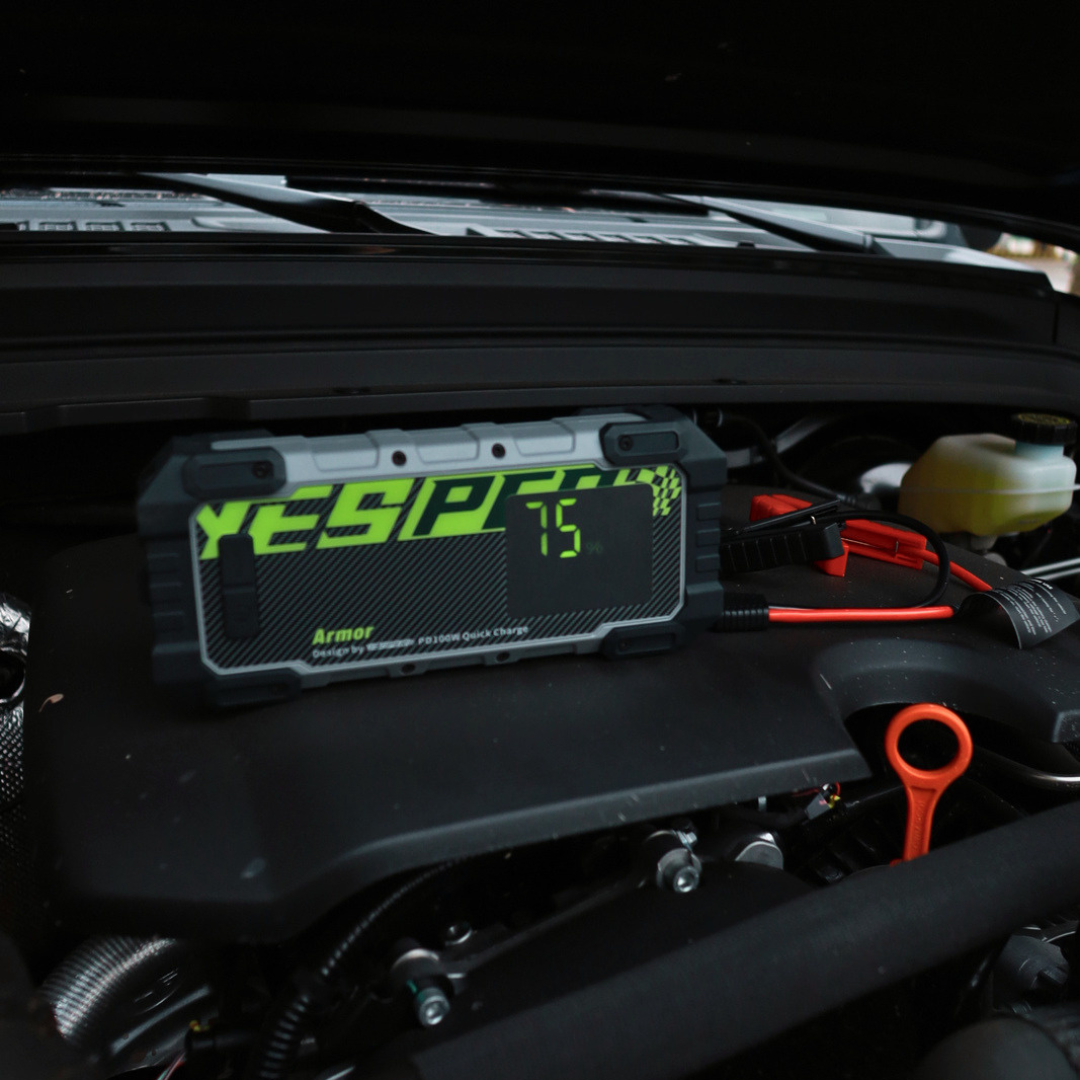
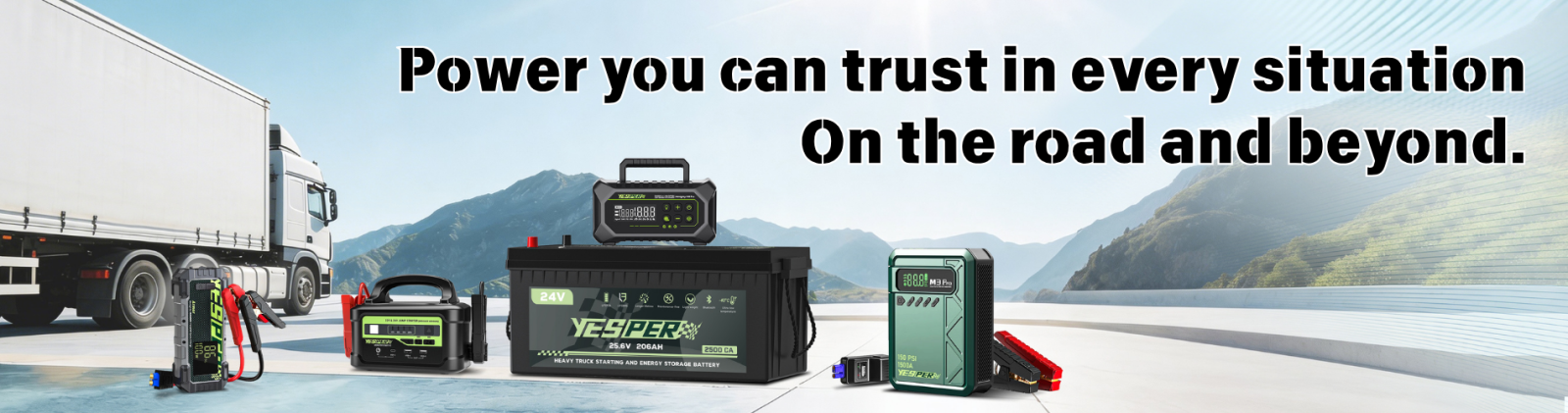
Driven by continuous innovation, YESPER is expanding its “Battery+” ecosystem, from car jump starters and automotive batteries to portable power stations and smart energy devices — powering mobility, outdoor lifestyles, and everyday life.
What's Sodium-ion? A sodium-ion battery is a rechargeable battery that uses sodium ions (Na⁺) as charge carriers. It works in a similar way to lithium-ion batteries, storing and releasing energy through the movement of sodium ions between the cathode and anode. Thanks to the abundant availability of sodium, sodium-ion batteries are seen as a promising alternative for cost-sensitive and safety-focused applications.
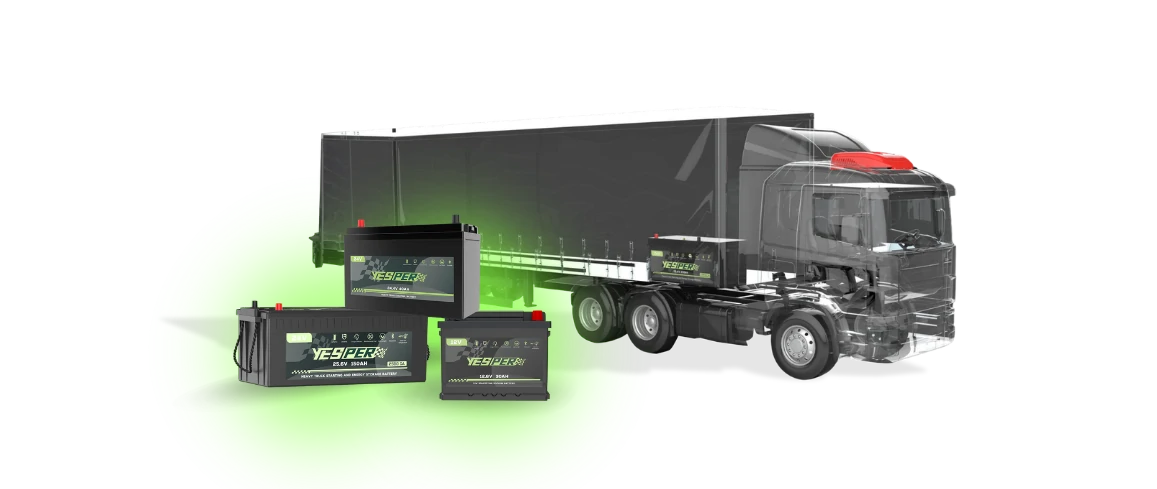
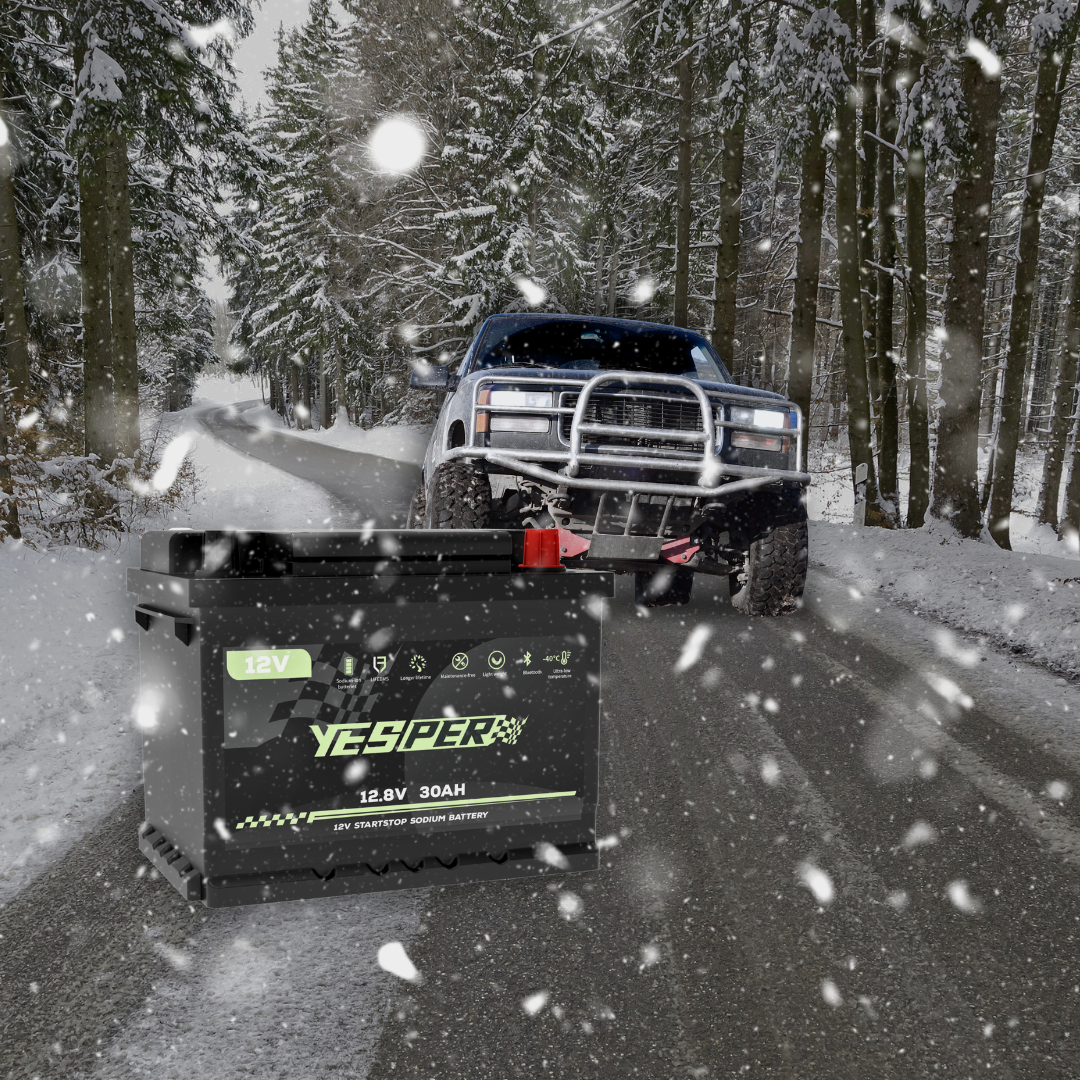
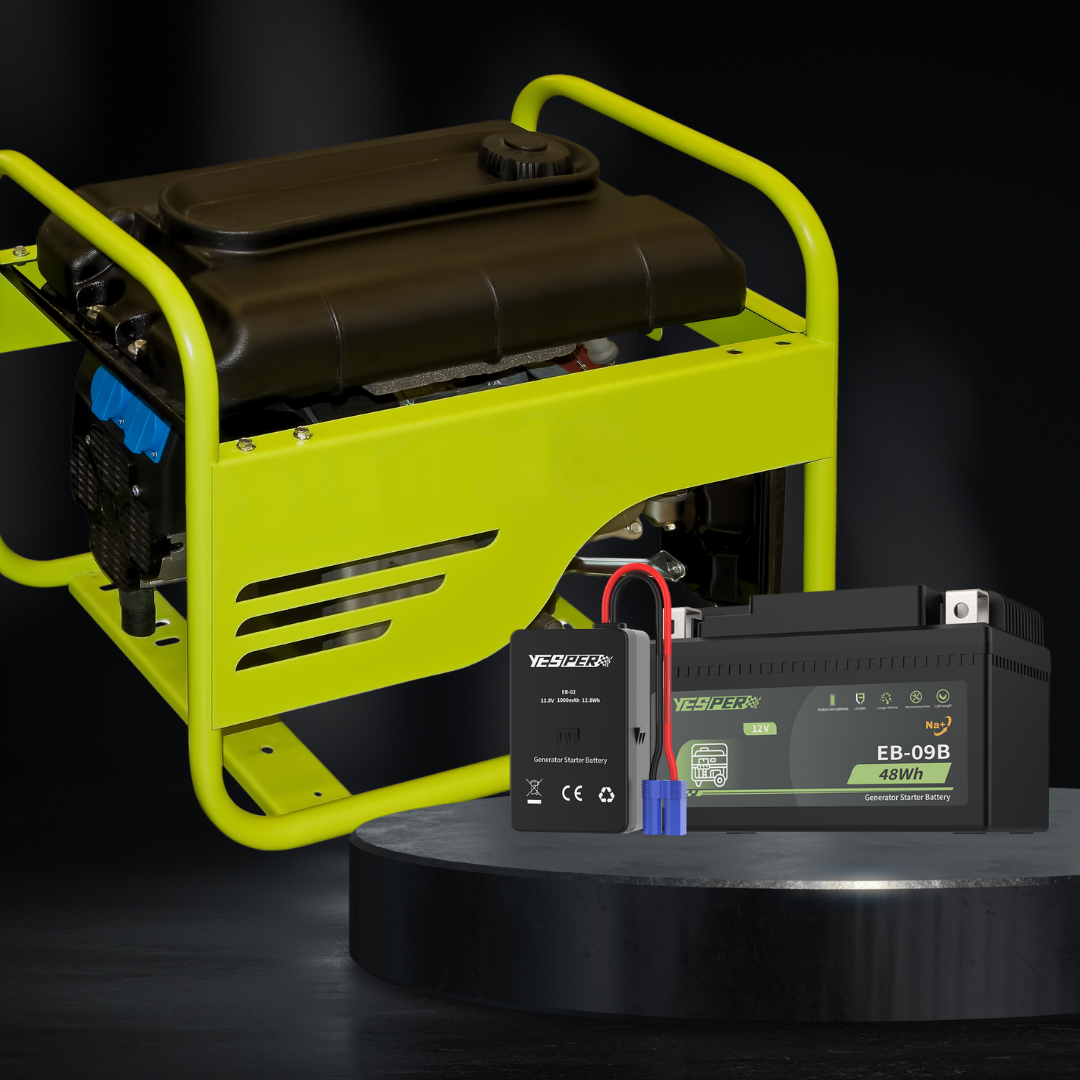
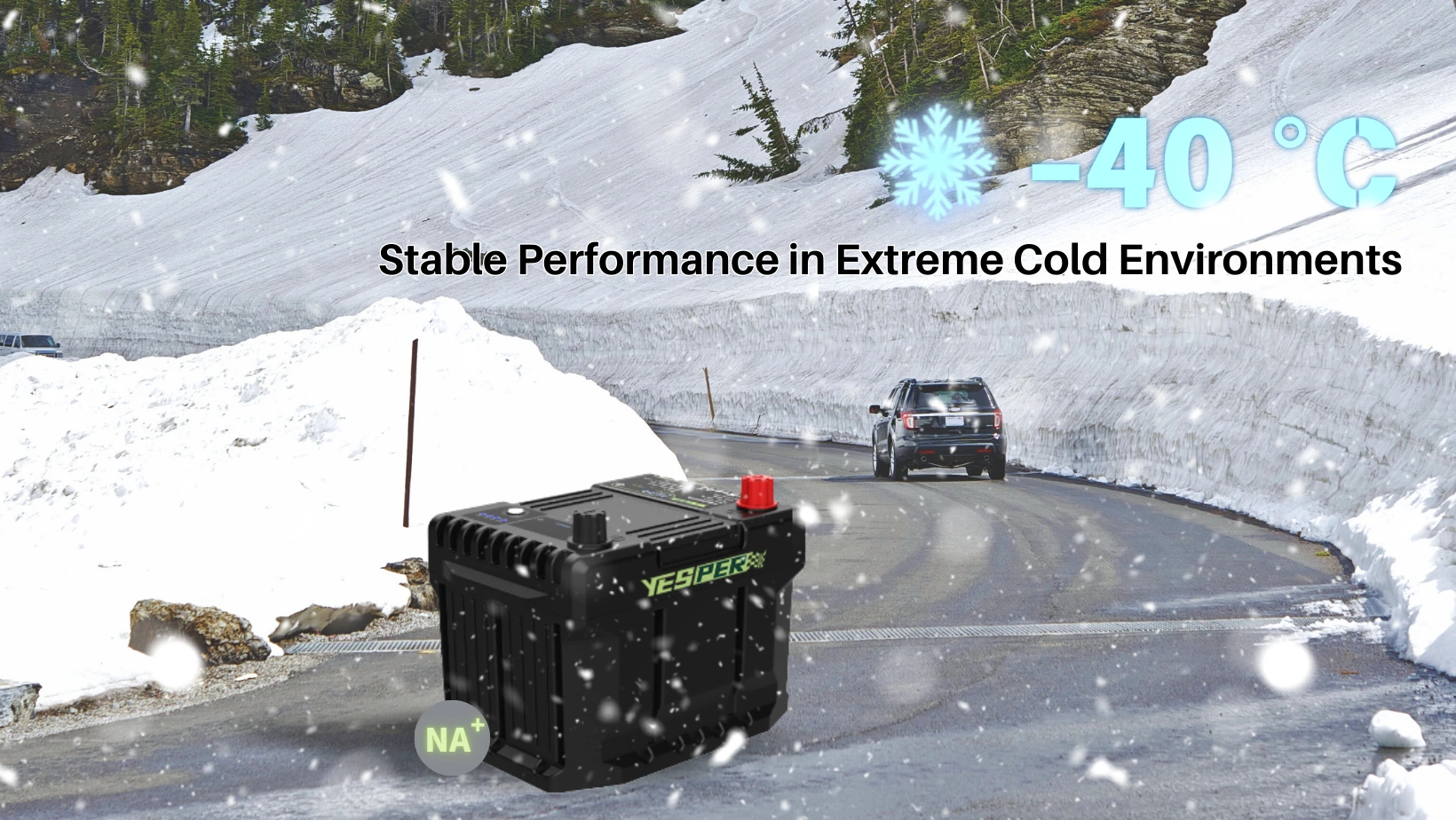
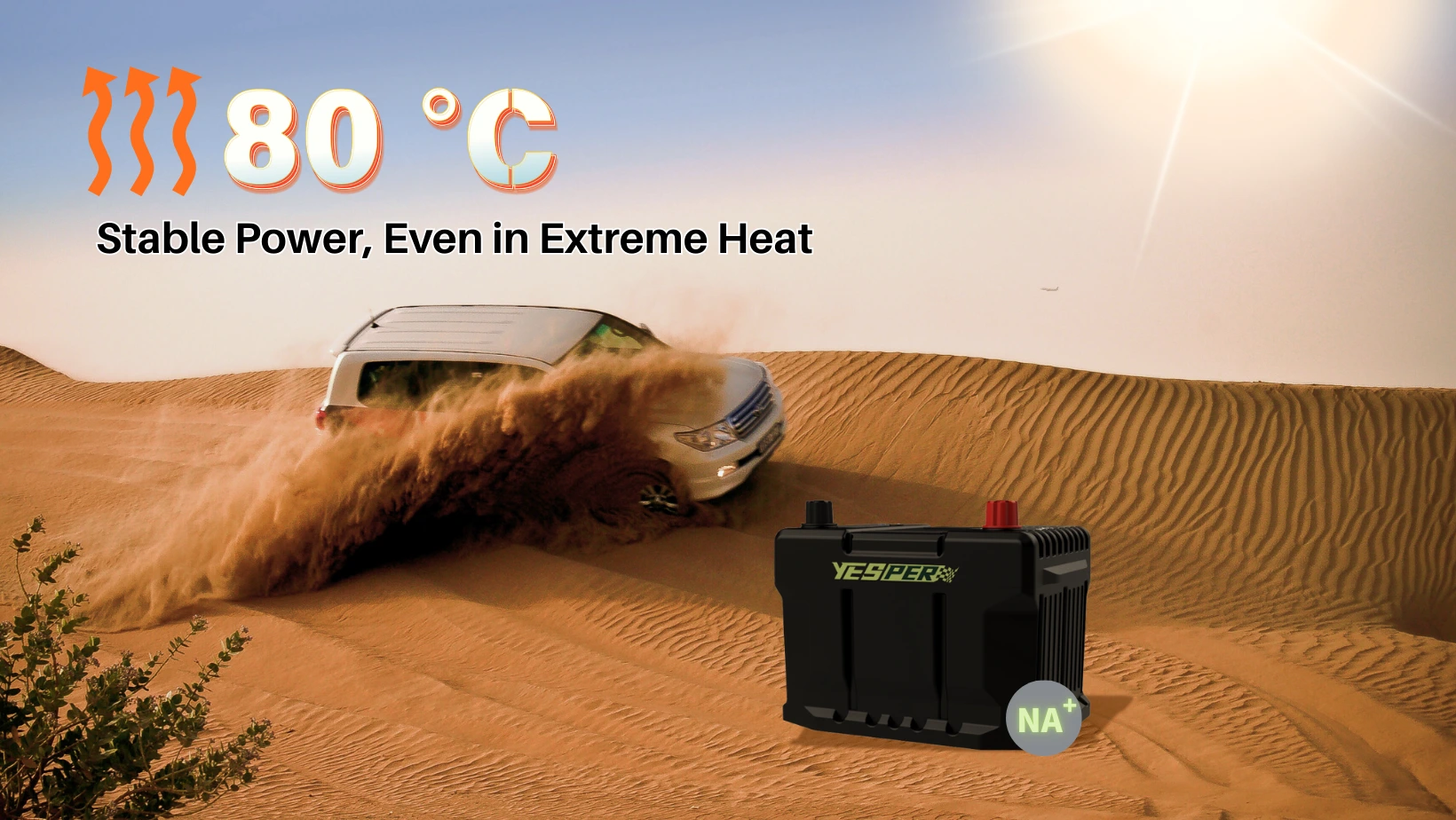
Why Sodium-ion? Sodium-ion batteries offer low cost, high safety, strong low-temperature performance, and enhanced environmental friendliness. Sodium is abundant and easier to source with lower environmental impact, reducing dependence on scarce or high-impact materials such as lithium and cobalt. With high thermal stability and low risk of thermal runaway, sodium-ion batteries maintain stable performance in cold conditions, making them well suited for commercial vehicles, heavy-duty trucks, RVs, marine vessels, motorcycles, as well as energy storage and backup power applications.
The core materials of sodium-ion batteries include cathode materials, anode materials, electrolyte, and separator. Common cathodes are layered oxides and polyanionic compounds, while hard carbon is widely used as the anode. Sodium-based electrolytes are typically applied. This material system avoids reliance on scarce elements like lithium and cobalt, ensuring stable supply and sustainability.
Compared with lithium-ion batteries, sodium-ion batteries have advantages in cost, safety, and low-temperature performance, but their energy density is relatively lower, resulting in slightly larger size and weight. Lithium-ion batteries remain superior in energy density and technological maturity. Overall, sodium-ion batteries serve as a complementary solution, offering unique value in specific applications.